Why Commissioning Matters
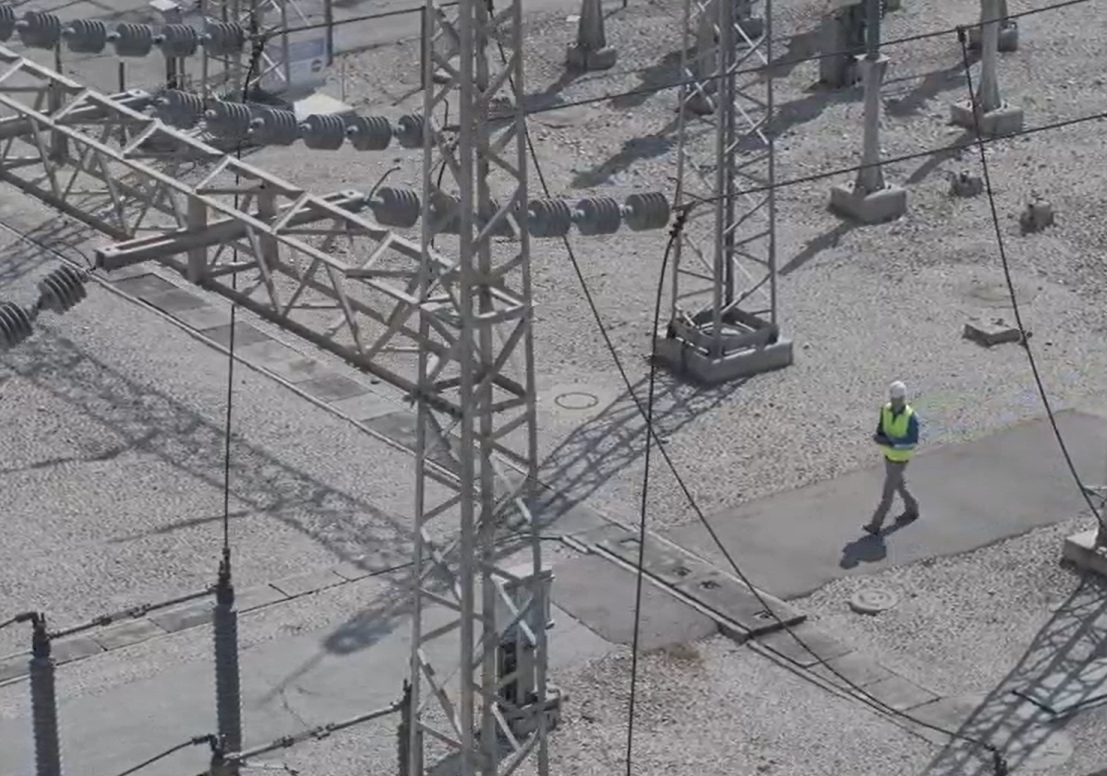
Commissioning marks the critical moment when a new electrical installation is tested before being energized. For utilities, this process is more than a formality; it is the safeguard against faults that could lead to costly failures, reputational damage, or safety hazards. Detecting issues at this stage ensures electricity is delivered reliably to customers from day one and that contractors hand over a project that meets expectations.
The Hidden Challenges in New Installations
Although newly built substations, transmission lines, and switchyards are expected to be flawless, experience shows otherwise. Faults can appear for multiple reasons. Some are rooted in inadequate design, such as cables with improper diameters, insufficient clearances between phases, or mismatched grading rings. Others originate in the supply chain, where defective batches escape quality control or where perfectly fine components become damaged during shipment and handling. Finally, the commissioning process often reveals installation errors, including missing parts, incorrectly mounted hardware, or mismatched components.
These hidden risks may not be visible during standard visual inspections. Yet, if left unresolved, they can compromise the reliability of the entire system, trigger premature equipment failure, and in severe cases, put both operators and assets at risk.
Uncovering Hidden Risks Through UV Detection
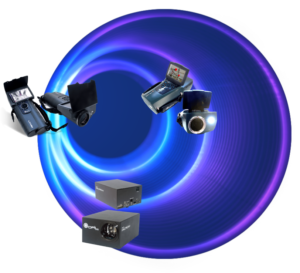
This is where UV camera technology plays an indispensable role. OFIL’s solar-blind ultraviolet cameras are designed to reveal corona and arcing activity that cannot be seen with the naked eye. During commissioning, they allow inspectors to pinpoint the exact location of electrical stress, whether it stems from poor design, damaged equipment, or improper installation.

Unlike general-purpose testing tools, UV camera offers direct visual confirmation of faults in real time. This immediate feedback enables contractors to fix problems on the spot, often before warranty periods expire, while utilities gain assurance that their systems are being energized in optimal condition. The DayCor® UVollé PD camera is widely used during commissioning inspections — its solar-blind UV sensor detects partial discharge on new installations before they enter live service.
Case Studies
The following case studies highlight how ultraviolet (UV) inspection plays a decisive role in uncovering hidden defects during commissioning of high-voltage assets. Each example demonstrates how early detection prevents long-term reliability issues.
Case Study 1: Spacer Failures
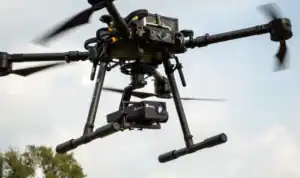
A European utility deployed the micROM UV camera on a drone during commissioning of a newly built transmission line. Multiple cases of corona activity were detected online spacers. The root cause was traced to improper installation and debonding. If left unresolved, such discharges can gradually weaken conductors and increase the risk of mechanical failure. The systematic nature of these findings revealed widespread defects across nearly all spacers on the line.


Case Study 2: Misaligned Insulator Clamp
A critical substation was undergoing commissioning when inspectors detected a misaligned insulator clamp on a busbar. The incorrect installation left an air gap, causing partial discharge and localized arcing at the clamp connection. This type of defect reduces reliability and, if not corrected, can compromise system performance.

Case Study 3: Improperly Installed Corona Ring
In a substation commissioning inspection, a grading ring was mounted incorrectly, leading to intense discharge and arcing between the insulator and the ring edge. This improper installation compromised insulation integrity and posed an immediate risk of accelerated degradation.

Case Study 4: Missing or Misaligned Corona Rings
As part of a contractor-led substation commissioning, UV inspections compared three bushings side by side. Those without corona rings displayed heavy corona activity at the top, while the one with a properly installed ring remained clear. Missing or misaligned rings were found to be more frequent than expected, and UV cameras are means of detecting them.

Baseline Today, Insight Tomorrow
The benefits of using UV cameras during commissioning extend well beyond the initial energization. By capturing the condition of assets from their very first day in service, utilities establish a clear and uncontaminated baseline for ongoing maintenance. This benchmark serves as a trusted reference point for all future inspections, enabling teams to detect subtle changes in equipment behavior and to track degradation trends over time.
When combined with Gridnostic, these baseline recordings gain even greater value. The data is securely stored, geo-tagged, and linked to each asset’s digital record within the platform. Future inspection results—whether from UV, thermal, or visual sensors—can then be compared directly against the commissioning baseline. This creates a structured history of each asset’s condition, turning raw inspection files into actionable insights that support predictive maintenance, risk assessment, and long-term asset management strategies.

A Foundation for Long-Term Reliability
Commissioning is not only about passing a test; it is about securing the future performance of the grid. With UV technology integrated into the process, utilities can move forward with confidence, knowing that the installation has been thoroughly checked, faults have been eliminated, and the system is ready to serve reliably for years to come.