Articles & Case Studies
How to Choose a Corona Camera: The DayCor® Selection Guide
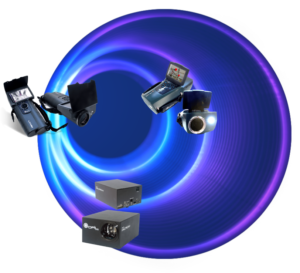
How to Choose a Corona Camera: The DayCor® Selection Guide OFIL's DayCor® range covers handheld cameras, a UAV camera and

How to Choose a Corona Camera: The DayCor® Selection Guide OFIL's DayCor® range covers handheld cameras, a UAV camera and
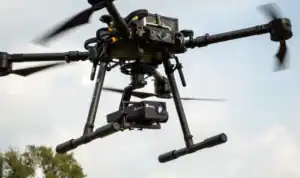
Powerline inspection is evolving from traditional field-based methods toward a more connected, data-driven approach. In this article, Sheyna Reizes explores how drone technology, advanced remote sensing, GIS, and AI are reshaping the way utilities inspect electrical infrastructure and make maintenance decisions.

Discover how the City of Troy transformed thousands of drone inspection images into actionable asset intelligence. By centralizing RGB and thermal data with Gridnostic, the utility streamlined analysis, improved maintenance prioritization, and strengthened documentation for smarter, data-driven grid management.
How to Choose a Corona Camera: The DayCor® Selection Guide OFIL's DayCor® range covers handheld cameras, a UAV camera and camera cores for fixed, mobile
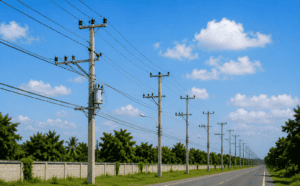
Distribution networks face corona and arcing risks that can threaten reliability, safety, and nearby communities. This article explains why UV inspection is essential for detecting hidden electrical discharge early – before it develops into outages, equipment damage, interference, or fire hazards.
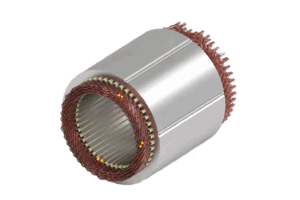
As electric motors move toward higher voltages, faster switching, and greater power density, insulation reliability becomes increasingly critical. This article explores how UV imaging can complement conventional PD testing by helping detect and localize discharge activity in EV and electric-aircraft motor systems.
Powerline inspection is evolving from traditional field-based methods toward a more connected, data-driven approach. In this article, Sheyna Reizes explores how drone technology, advanced remote sensing, GIS, and AI are reshaping the way utilities inspect electrical infrastructure and make maintenance decisions.
Discover how the City of Troy transformed thousands of drone inspection images into actionable asset intelligence. By centralizing RGB and thermal data with Gridnostic, the utility streamlined analysis, improved maintenance prioritization, and strengthened documentation for smarter, data-driven grid management.
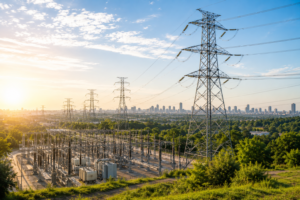
As electricity demand accelerates, utilities face a growing challenge: maintaining aging grid infrastructure while managing workforce retirements and increasing system complexity. Condition-based maintenance, multi-sensor inspection, and digital intelligence are becoming essential for ensuring long-term grid reliability.
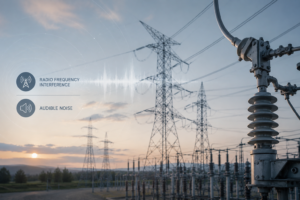
Corona partial discharge affects more than equipment reliability. It can generate radio frequency interference and audible noise that disrupt communications, trigger regulatory concerns, and generate customer complaints. This article explains why early detection is essential for reliable grid operation.
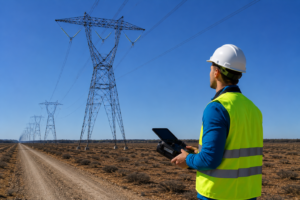
As utilities invest billions in new 765kV transmission infrastructure, ensuring long-term reliability starts long before commercial operation. This article explores why commissioning has become a critical opportunity to detect hidden electrical defects before they become costly operational problems.

Utilities generate vast inspection data, but the real challenge is turning it into decisions. By structuring, analyzing, and connecting data through a standardized workflow, utilities can move from fragmented insights to consistent, risk-based maintenance and improved asset reliability.
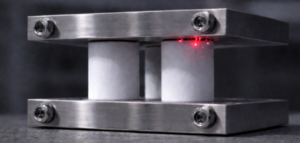
High-voltage ceramic insulators can pass standard tests yet fail under real stress. High-sensitivity UV imaging reveals otherwise invisible discharge activity, providing early insight into surface behavior and enabling more reliable evaluation of insulation performance in demanding environments.
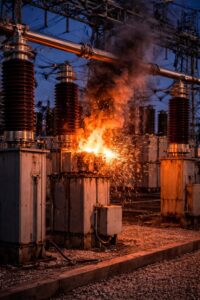
As electrical systems operate under increasing load and complexity, safety depends on detecting early signs of degradation before failure occurs. Identifying corona partial discharge at its earliest stage enables proactive maintenance while minimizing risk, exposure, and unplanned outages.
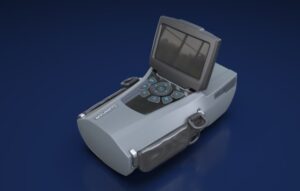
Infrared imaging cameras and infrared detection cameras identify heat-related electrical faults, while UV imaging detects voltage-related discharge activity. Each technology reveals different physical mechanisms across the failure curve in high-voltage systems.