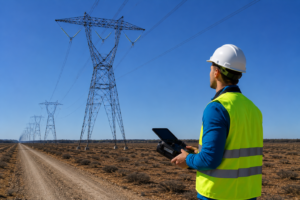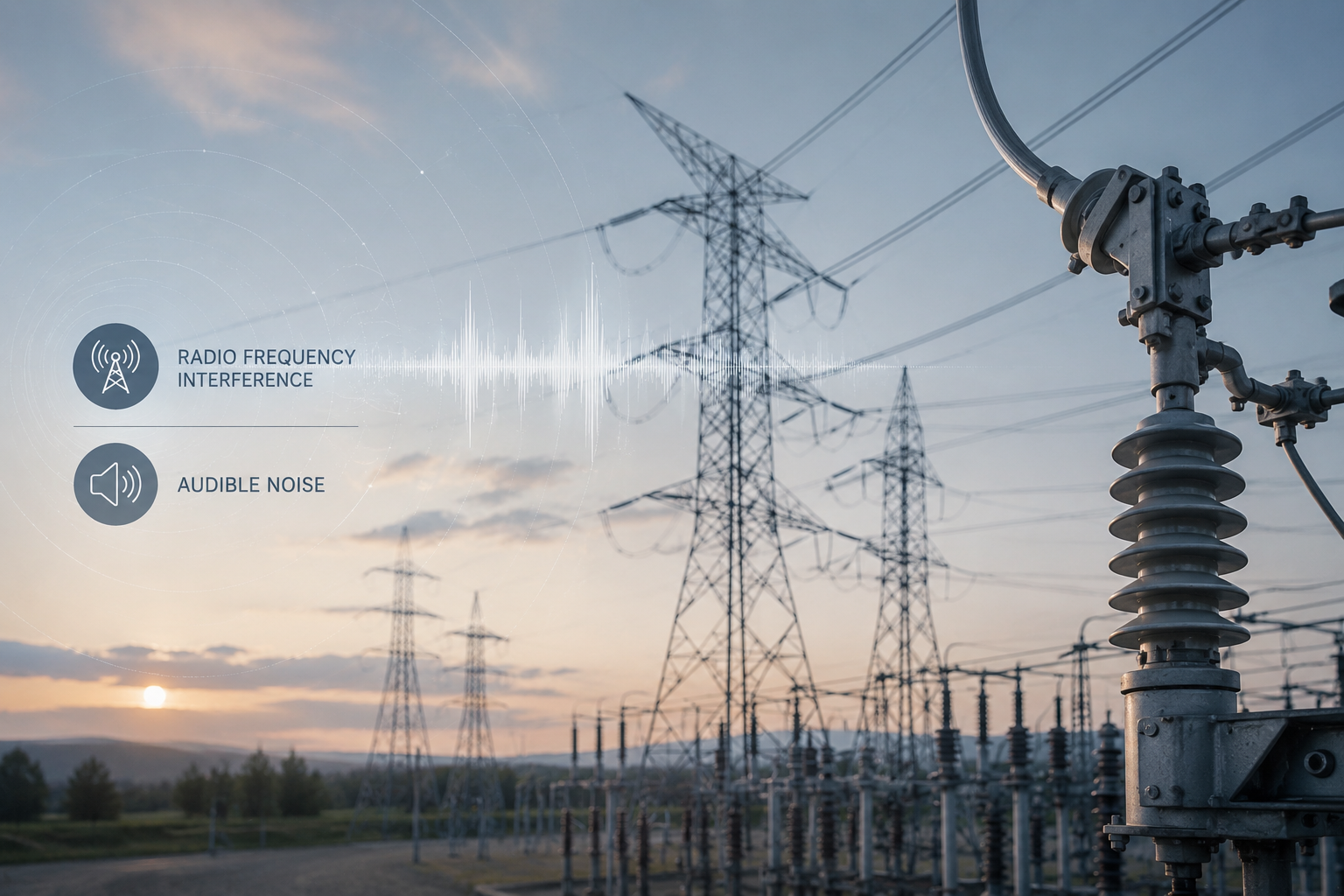
One of the lesser-discussed effects of corona partial discharge is the generation of both Radio Frequency Interference (RFI) and audible noise. While these emissions are often treated as secondary symptoms, they can become significant operational, environmental, and regulatory concerns, and in many cases are the first indication that an energized asset requires attention.
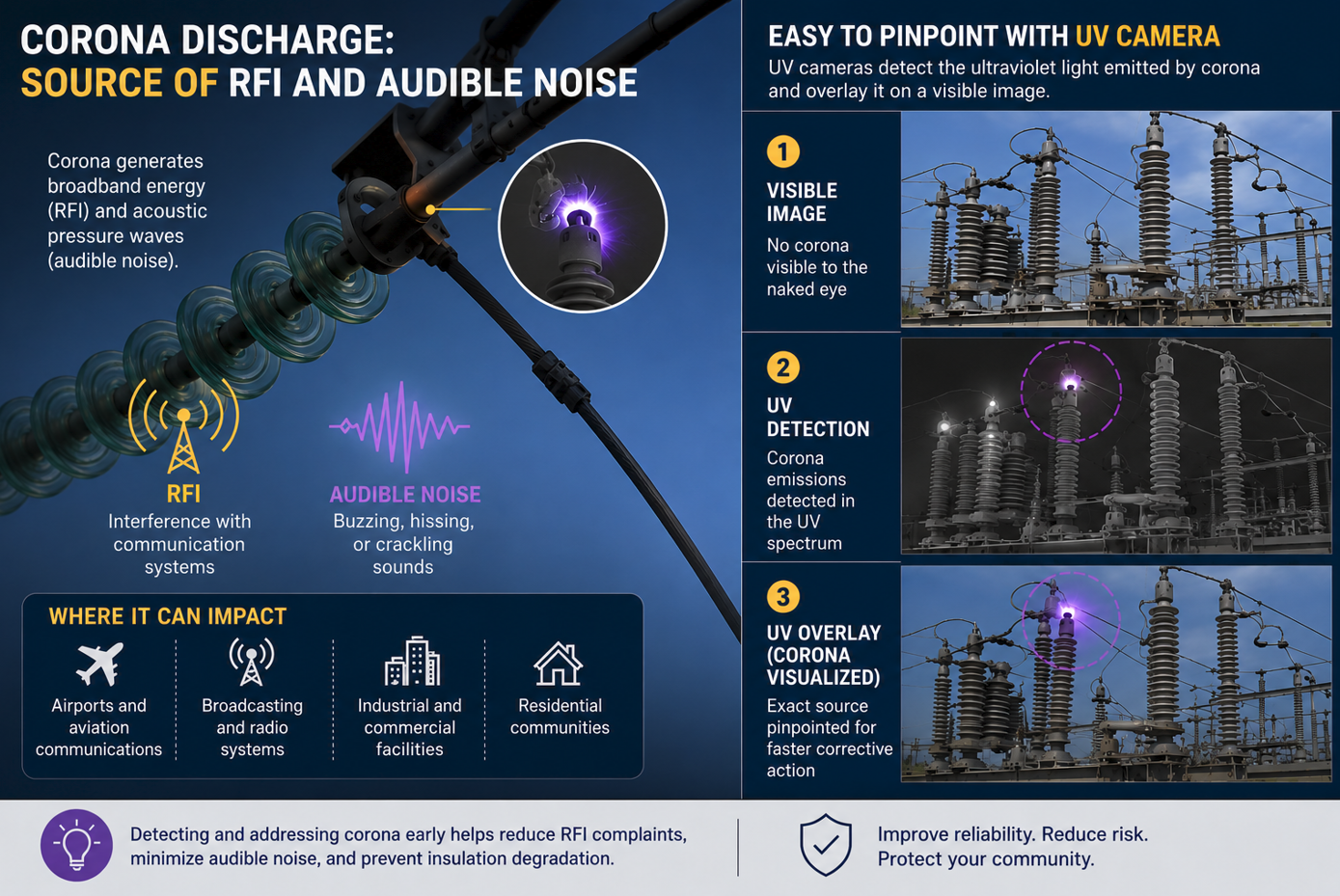
The physical mechanism is straightforward. Each corona event consists of extremely fast electrical discharge pulses that generate broadband electromagnetic energy extending into the radio frequency spectrum. These pulses radiate from the energized equipment and may interfere with nearby communication systems. At the same time, the rapid expansion of the ionized air surrounding each discharge creates pressure waves, producing the familiar buzzing, hissing, or crackling sounds associated with corona activity.
Where It Occurs
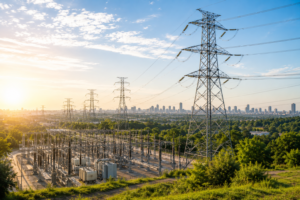
RFI and audible noise may originate from virtually any high-voltage asset experiencing corona activity, including:
- Transmission and distribution lines
- Substations
- HVDC converter stations
- Insulators, bushings, connectors, clamps, and busbars
- Switchgear and other energized equipment
The severity often increases under wet or contaminated conditions, when corona activity becomes more intense.
Why It Matters
Unlike many other partial discharge phenomena, the effects of corona extend well beyond the electrical asset itself.
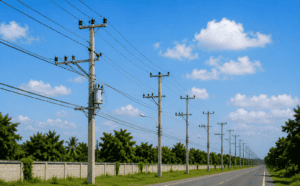
For overhead transmission lines located near residential areas, audible noise can become a frequent source of customer complaints, particularly during periods of high humidity or rain. Utilities may also be required to comply with environmental noise regulations for substations located near residential or commercial developments.
Radio frequency interference presents another challenge. The broadband electromagnetic emissions generated by corona can interfere with nearby communication systems, including aviation communications, broadcasting equipment, telemetry systems, and other radio-based infrastructure. This is particularly important where substations or transmission corridors are located near airports, industrial facilities, or communication installations.
Even when the electrical equipment continues operating normally, excessive RFI may trigger investigations, regulatory requirements, or customer complaints.
Fast and Accurate Localization with UV Imaging
While RFI receivers and acoustic detectors can confirm that interference exists, identifying the exact source can be a lengthy process—especially in large substations containing thousands of energized components.
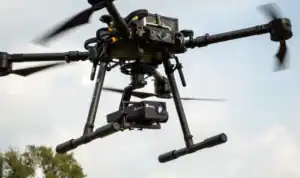
UV cameras dramatically simplify this task by directly visualizing the corona responsible for the emissions. Instead of searching for the source through signal strength or sound intensity, inspectors can immediately identify the exact insulator, connector, fitting, conductor, or hardware producing the discharge.
This allows maintenance teams to quickly distinguish between multiple potential sources, prioritize repairs, and verify corrective actions after maintenance.
As utilities continue moving toward condition-based maintenance, UV imaging provides one of the fastest and most effective methods for locating the corona sources responsible for both radio frequency interference and audible noise, helping improve reliability while reducing inspection time and unnecessary troubleshooting.