A New Era of Energy
Renewable energy is reshaping the global power landscape. From solar and wind to hydro and geothermal, clean energy sources are driving the transition toward sustainability. They reduce greenhouse gas emissions, enhance energy independence, and create a resilient, decentralized power grid.
Challenges of Renewable Energy Integration
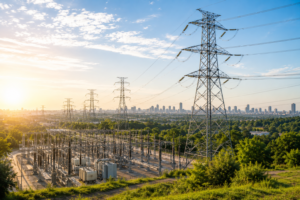
Despite the clear benefits, renewable power introduces new challenges for utilities and operators. Variable generation, remote site locations, and the need for reliable grid integration make maintenance and monitoring critical. Substations, transformers, switchgear, and powerlines connecting renewable plants to the grid must operate flawlessly to ensure stability and safety.
Connecting Renewables to the Grid
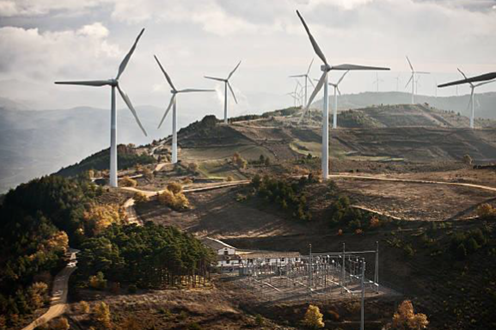
Renewable energy plants interface with the grid through step-up transformers, substations, and powerlines. Each component, whether part of a solar farm, wind park, or hydroelectric station, plays a vital role in voltage conversion, power flow control, and grid reliability. Continuous monitoring and inspection of these assets are essential to prevent failures and ensure efficient operation.

Types of Renewable Energy
- Solar Power: Converts sunlight into electricity using photovoltaic panels or solar thermal systems.
- Wind Energy: Harnesses kinetic energy from the wind through turbines connected to generators.
- Hydroelectric Power: Generates electricity from moving water through turbines, typically at dams.
- Geothermal Energy: Draws heat from beneath the Earth’s surface to produce steam and drive turbines.
- Biomass Energy: Uses organic material to create biofuels or generate electricity through combustion.
OFIL’s Inspection Solutions for Renewables
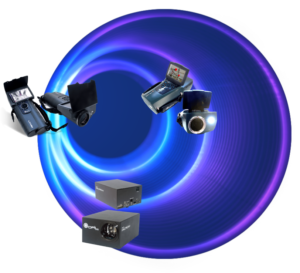
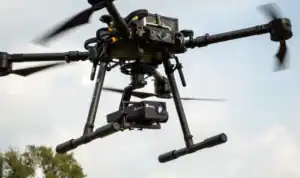
OFIL’s UV imaging technology is helping renewable operators maintain safety, reliability, and performance across their assets:
- Substations and Transformers: Detect corona partial discharge activity in step-up transformers, switchgear, reactors and other key components in renewable substations that handle high voltages and variable loads.
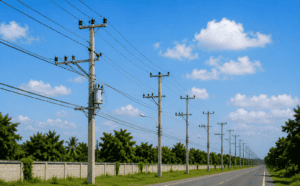
- Transmission and Distribution Lines: Inspect long-distance powerlines connecting remote renewable sites to the grid, identifying faults that could lead to outages or safety risks.
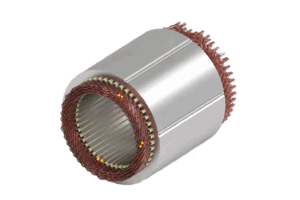
- Generators in Wind, Hydro, and Geothermal Plants: Detect insulation degradation, arcing, and corona discharges in generator stators, especially critical during commissioning and maintenance.

Supporting the Entire Asset Lifecycle
OFIL’s UV cameras are essential throughout the asset lifecycle -from commissioning and routine maintenance to predictive maintenance. By identifying discharge activity before it escalates into failure, utilities and renewable energy providers can reduce downtime, optimize maintenance schedules, and extend equipment life.
With Gridnostic, OFIL’s advanced inspection data management and analysis platform, inspection results are securely stored, visualized, and interpreted. It provides users with actionable insights, trend analysis, and severity assessments – transforming inspection data into decision-ready information that supports proactive asset management.
Conclusion
As the world accelerates its renewable energy transition, ensuring the reliability of generation and transmission assets has never been more important. OFIL’s inspection solutions empower renewable operators to safeguard their equipment, prevent failures, and maintain a stable, sustainable grid for generations to come.